
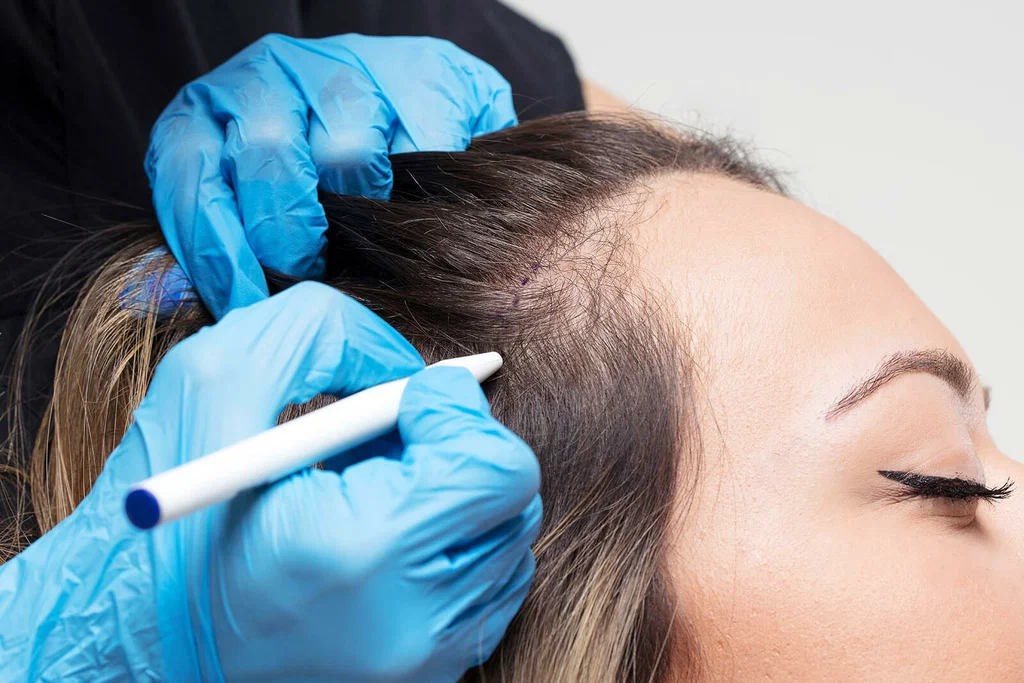
When Hair Loss Means It’s Time For Professional Treatment
Hair loss is a concern that affects millions of people worldwide. While occasional shedding is normal, persistent thinning, bald patches, or receding hairlines often indicate a more serious underlying issue. Ignoring these signs can lead to permanent hair loss and affect self-confidence. Understanding when it’s the right time to consult a professional is essential for effective and long-lasting solutions. Clinics such as Institute Cosmetique provide expert guidance and advanced techniques to help restore hair and confidence.
This article tells the warning signs of hair loss, the benefits of timely professional intervention, treatment options, and why choosing the best hair transplant in Lahore can ensure optimal results.
Hair Loss
Hair naturally goes through growth cycles, including phases of growth, rest, and shedding. Losing between 50–100 hairs daily is typical, but excessive loss, thinning, or bald spots require attention. Hair loss can be caused by:
- Genetic factors: Androgenetic alopecia (male or female pattern baldness) is the most common cause.
- Hormonal changes: Thyroid disorders, pregnancy, menopause, or hormonal imbalances can trigger shedding.
- Medical conditions: Autoimmune disorders, scalp infections, or chronic illnesses may lead to hair thinning.
- Lifestyle factors: Poor nutrition, stress, lack of sleep, or certain medications can contribute to hair loss.
Recognizing the difference between normal shedding and problematic hair loss is the first step in seeking professional treatment.
Signs It’s Time to Consult a Specialist
While minor hair loss can often be managed at home, several signs indicate the need for professional evaluation:
1. Noticeable Thinning or Receding Hairline
If you observe widening part lines, thinning at the crown, or a receding hairline, it may signal the onset of pattern baldness. Early intervention improves the success of treatment and prevents further hair loss.
2. Bald Patches or Uneven Hair Loss
Sudden bald spots or patchy hair loss may indicate alopecia areata or other scalp disorders. Consulting a specialist ensures proper diagnosis and treatment.
3. Excessive Hair Shedding
If daily shedding significantly exceeds normal limits, or hair clumps are visible after washing or brushing, it may be a sign of underlying health issues.
4. Changes in Hair Texture
Brittle, weak, or unusually fine hair may indicate nutritional deficiencies, hormonal imbalances, or scalp conditions that require medical attention.
5. Persistent Itching, Redness, or Flaking
Scalp irritation accompanied by hair loss can suggest infections, inflammation, or dermatological conditions that must be addressed professionally.
Benefits of Professional Hair Loss Treatment
Seeking professional care early offers multiple advantages:
Accurate Diagnosis
Specialists can determine the exact cause of hair loss, whether it’s genetic, hormonal, or health-related. Accurate diagnosis ensures the selection of the most effective treatment plan.
Tailored Treatment Plans
Every individual’s hair loss pattern and scalp condition are unique. Professionals provide personalized solutions ranging from medications to minimally invasive procedures, ensuring optimal results.
Preventing Further Hair Loss
Early intervention can slow or stop the progression of hair loss. Treatments like PRP therapy, laser stimulation, or topical solutions may be recommended to maintain existing hair and stimulate growth.
Permanent Solutions
For severe or advanced hair loss, surgical options like hair restoration provide long-lasting results. Properly performed procedures result in natural-looking hair and permanent improvement in appearance.
Treatment Options Available
Professional clinics offer a range of options for hair restoration:
1. Medications
- Minoxidil: Topical solution that stimulates hair follicles and slows shedding.
- Finasteride: Oral medication that reduces hormonal hair loss in men.
2. Non-Surgical Procedures
- PRP Therapy (Platelet-Rich Plasma): Uses growth factors from your own blood to stimulate hair follicles and improve density.
- Low-Level Laser Therapy: Enhances blood circulation to follicles and strengthens hair.
3. Surgical Solutions
Hair restoration surgery involves transplanting healthy follicles to thinning or bald areas. Modern techniques, including Follicular Unit Extraction (FUE) and Follicular Unit Transplantation (FUT), offer:
- Permanent, natural-looking results
- Minimal scarring
- Customized hairline and density for aesthetic outcomes
Clinics like Institute Cosmetique specialize in these advanced techniques, offering patients safe and effective treatment with comprehensive aftercare guidance.
Preparing For a Hair Restoration Procedure
Proper preparation is essential for a successful outcome:
- Medical evaluation: Assessing overall health and identifying underlying causes.
- Lifestyle adjustments: Balanced nutrition, stress management, and avoiding smoking or alcohol improve recovery and results.
- Consultation: Discussing goals, expectations, and potential outcomes with your specialist ensures realistic results.
Aftercare Tips for Long-Lasting Results
Post-procedure care is critical to achieving the best results:
- Avoid direct sun exposure and strenuous activities for the first few weeks.
- Follow instructions regarding washing and scalp care.
- Attend follow-up sessions to monitor progress and address concerns.
Recovery timelines vary, but most patients notice new growth within 3–6 months, with final results visible after a year.
Why Choose the Best Hair Transplant in Lahore
Selecting a reputable clinic ensures safe procedures, expert guidance, and natural-looking outcomes. The best hair transplant combines:
- Skilled surgeons with specialized training
- Advanced equipment and techniques
- Personalized treatment plans for each patient
- Comprehensive follow-up care for optimal recovery
Investing in professional treatment maximizes the chances of achieving long-term results while minimizing risks.
Bottom Line
Hair loss can affect confidence, appearance, and overall well-being. Recognizing the signs such as thinning, receding hairlines, bald patches, or excessive shedding—helps individuals seek professional guidance early. Consulting a specialist ensures accurate diagnosis, personalized treatment, and long-lasting solutions. Available options range from medications and non-surgical therapies to surgical hair restoration. Clinics like Institute Cosmetique provide advanced procedures and tailored aftercare, offering patients the opportunity to regain hair, confidence, and self-esteem. Choosing the best hair transplant in Lahore ensures safety, expertise, and optimal long-term results for anyone experiencing hair loss.