
Your skin faces a lot throughout the day.
Sunlight, heat, air conditioning, pollution, sweat, frequent face washing, and environmental changes can all affect how your skin feels and looks. By the end of the day, your face may feel tight, dry, oily, rough, or simply less fresh than it did in the morning.
One simple way to support your skin is to keep it properly moisturized.
This is where a good Day Cream can become an important part of your morning skincare routine. A suitable moisturizer helps reduce water loss from the skin and can support a comfortable, healthy-looking skin barrier.
But why does your skin need moisture during the day? Is moisturizing necessary if you have oily skin? Can a day cream replace sunscreen? And how do you choose the right formula for Pakistan’s climate?
Let’s explore the answers.
Why Does Your Skin Need Moisture?
Your skin naturally contains water, oils, and other substances that help maintain its barrier.
The outermost layer of the skin, known as the stratum corneum, plays an important role in keeping moisture inside while helping protect the body from external environmental factors.
When this barrier becomes disrupted or when the skin loses too much water, you may experience dryness, tightness, roughness, flaking, or increased sensitivity.
A moisturizer can help improve the skin’s hydration and reduce moisture loss.
Dermatologists commonly recommend moisturizing as an important part of skin care, particularly for people experiencing dry or sensitive skin. Ingredients such as humectants, emollients, and occlusives can work in different ways to improve and maintain skin hydration.
This is one reason moisturizing during the day can be useful.
What Happens to Your Skin During the Day?
Your skin doesn’t remain in the same environment after you leave your home in the morning.
Throughout the day, it may be exposed to:
- Sunlight
- Heat
- Humidity
- Dry air
- Air conditioning
- Dust and pollution
- Sweat
- Frequent touching
- Makeup
- Cleansing or washing
These factors can influence how your skin feels and how much moisture it retains.
For example, hot weather can increase sweating, while air conditioning can make the surrounding air feel dry. Frequent cleansing can also remove some of the oils that contribute to the skin’s protective barrier.
This doesn’t mean your skin will automatically become damaged every day.
It simply means that daytime skincare should help maintain hydration and support the skin’s natural barrier.
What Does a Day Cream Actually Do?
A Day Cream is essentially a moisturizer designed to be used during the daytime.
Depending on its formulation, it may contain ingredients that hydrate the skin, soften it, support the skin barrier, or provide antioxidant benefits.
Common moisturizing ingredients include:
Humectants
Humectants such as glycerin and hyaluronic acid help attract and hold water.
Emollients
Emollients help soften and smooth the skin by filling spaces between skin cells.
Occlusives
Occlusive ingredients help reduce water loss by forming a protective layer over the skin.
A well-formulated moisturizer may combine several types of ingredients.
The ideal formula depends on your skin type, climate, personal preferences, and specific concerns.
Why Is Daytime Moisturizing Important?
There are several reasons to keep your skin moisturized during the day.
1. It Helps Prevent Excessive Dryness
One of the most obvious benefits of daytime moisturizing is reducing the uncomfortable feeling associated with dryness.
If your skin becomes dry during the day, you may notice:
- Tightness
- Rough texture
- Flaking
- Dull appearance
- Fine dehydration lines
- Increased sensitivity
Using a suitable Day Cream after cleansing can help maintain a more comfortable level of hydration.
If you have naturally dry skin, this step may be particularly important.
2. It Supports the Skin Barrier
Your skin barrier is your first line of defense against the outside environment.
A healthy barrier helps keep moisture in and protects the skin from external irritants.
When the barrier becomes compromised, the skin may become dry, irritated, or more sensitive.
Regular moisturizing can help support barrier function by providing water-binding ingredients, lipids, and other skin-conditioning substances.
This doesn’t mean every moisturizer “repairs” every type of skin damage.
Rather, a suitable moisturizer can support the skin’s natural barrier and improve its overall condition.
3. It Can Make Skin Look Smoother
Hydrated skin generally looks smoother and healthier.
When the skin surface becomes dehydrated, small lines and rough patches can become more noticeable.
Applying a moisturizer can temporarily improve the appearance of these areas by increasing hydration and smoothing the skin surface.
This is one reason makeup can sometimes look better on properly moisturized skin.
Instead of sitting unevenly over dry patches, foundation and other products may spread more smoothly.
4. It Can Help Reduce the Feeling of Tightness
Have you ever washed your face in the morning and immediately felt like your skin was pulling or stretching?
That tight sensation can occur when cleansing removes some surface oils or when the skin is already dry.
Applying moisturizer after cleansing can help restore a more comfortable feel.
If this happens frequently, consider whether your cleanser is too harsh or whether you are washing your face more often than necessary.
Sometimes the solution is not simply adding more cream.
It may be about simplifying the entire routine.
Does Oily Skin Need Moisture During the Day?
Yes.
Having oily skin does not mean your skin has enough water.
Oil and water are different components.
Someone can have an oily complexion and still experience dehydration.
This can happen when the skin loses water even though the sebaceous glands continue producing oil.
If you have oily skin, the answer is usually not to skip moisturizer completely.
Instead, look for a lightweight formula.
Gel-based or lightweight lotions may feel more comfortable than heavy creams, particularly in hot and humid weather.
Choose products labeled appropriately for your skin needs, such as non-comedogenic options if you are prone to clogged pores.
What About Combination Skin?
Combination skin can be tricky because different areas of your face may need different levels of moisture.
Your forehead, nose, and chin may become oily, while your cheeks feel normal or dry.
In this situation, a lightweight Day Cream may be easier to manage than a very rich formula.
You can also adjust how much product you use in different areas.
The goal isn’t to make every part of your face feel identical.
The goal is to keep the skin comfortable without creating unnecessary heaviness.
Does Dry Skin Need a Richer Day Cream?
Often, yes.
Dry skin may benefit from a moisturizer containing a combination of humectants, emollients, and occlusive ingredients.
A richer formula can help reduce moisture loss and make the skin feel softer.
However, “thicker” doesn’t automatically mean “better.”
The best Day Cream is one that provides enough hydration without causing discomfort, irritation, or unwanted breakouts.
If your skin remains extremely dry despite regular moisturizing, there may be an underlying issue that needs professional assessment.
How Does Pakistan’s Weather Affect Skin Moisture?
Pakistan has a wide range of weather conditions.
Depending on the region and season, you may experience intense heat, humidity, dry weather, dust, or prolonged exposure to air conditioning.
These conditions can change how your skin feels.
Hot and humid weather
Heat and humidity can make the skin feel sweaty and greasy.
You may prefer a lightweight Day Cream during these conditions.
Dry weather
Dry air can increase the feeling of tightness and roughness.
A richer moisturizer may feel more comfortable.
Air conditioning
Spending several hours in air-conditioned environments can make the skin feel drier, particularly if your skin is already prone to dryness.
Sun exposure
Daily UV exposure is one of the biggest concerns for daytime skincare.
Moisturizer alone cannot protect your skin from UV radiation.
This is why sunscreen remains an essential part of a daytime routine.
Can Day Cream Replace Sunscreen?
No.
This is one of the most important things to understand.
A standard Day Cream is designed primarily to moisturize and condition the skin.
Sunscreen is specifically designed to provide protection against ultraviolet radiation.
Some day creams contain SPF, but you should still read the product label carefully and follow the recommended application instructions.
If your primary concern is sun protection, use a properly labeled broad-spectrum sunscreen.
A simple morning routine can be:
Cleanser → Day Cream → Sunscreen
If your Day Cream contains SPF, check whether the product provides the level of broad-spectrum protection you need and whether enough product is being applied.
Don’t assume that any moisturizer with a small SPF number can automatically replace your regular sunscreen routine.
Why Is Sunscreen Still Important for Pigmentation?
Sun exposure can contribute to uneven pigmentation and make existing dark spots more difficult to manage.
If you are using skincare products aimed at improving the appearance of pigmentation, consistent sun protection becomes especially important.
A Day Cream can keep your skin moisturized.
A sunscreen helps protect against UV radiation.
They serve different purposes.
This is why they can work together rather than being treated as alternatives.
What Ingredients Should You Look for in a Day Cream?
You don’t need a complicated ingredient list to have an effective moisturizer.
Depending on your skin type, useful ingredients may include:
Glycerin
Glycerin is a humectant that helps attract water and is widely used in moisturizing formulations.
Hyaluronic Acid
Hyaluronic acid is another humectant commonly used to support skin hydration.
Ceramides
Ceramides are lipids naturally found in the skin and are commonly included in moisturizers designed to support the skin barrier.
Niacinamide
Niacinamide can be used in moisturizers and other skincare products and has multiple potential benefits, including supporting the skin barrier and improving the appearance of uneven skin tone.
Emollients
Ingredients such as certain fatty alcohols and oils can soften the skin and improve its texture.
Antioxidants
Some daytime formulations contain antioxidants that help support the skin against environmental oxidative stress.
The right combination depends on the formulation rather than one “miracle” ingredient.
How Should You Apply Day Cream?
Application doesn’t need to be complicated.
1: Clean Your Face
Use a gentle cleanser suited to your skin type.
Avoid excessively hot water and aggressive scrubbing.
2: Apply Day Cream
Apply an appropriate amount of your Day Cream over the face and neck if the product is intended for those areas.
Gently spread it without rubbing aggressively.
3: Allow It to Set
Give the product a little time to absorb before applying makeup or sunscreen if needed.
4: Apply Sunscreen
Finish your morning routine with broad-spectrum sunscreen.
If you’re spending extended time outdoors, reapply sunscreen according to its instructions.
Should You Apply Day Cream Before or After Sunscreen?
Generally, moisturizer goes before sunscreen.
A typical morning routine is:
Cleanser → Serum → Day Cream → Sunscreen
Sunscreen is generally the final skincare step before makeup.
However, always follow the instructions provided with your specific products.
If your Day Cream already contains SPF, check the label carefully to understand its intended use and protection level.
Can Day Cream Help With Fine Lines?
Hydration can make some fine lines look less noticeable.
When skin becomes dehydrated, small lines can appear more pronounced.
A moisturizer can increase the skin’s water content and temporarily make the surface appear smoother and more plump.
But a Day Cream should not be presented as a permanent wrinkle remover.
Fine lines are influenced by natural aging, sun exposure, facial movement, genetics, and changes in collagen and skin structure.
For long-term skin-aging concerns, sun protection and an appropriate overall skincare routine are more important than relying on one moisturizer.
Can Day Cream Help With Dull Skin?
It can help improve the appearance of dullness when dryness or dehydration is contributing to the problem.
Well-hydrated skin often looks softer, smoother, and more radiant.
However, dull skin can have many causes.
Poor sleep, dehydration, environmental exposure, dead skin buildup, irritation, and other factors can influence your complexion.
If your skin looks consistently dull, don’t automatically assume you need a stronger cream.
Look at your complete skincare routine.
Can You Use Day Cream Under Makeup?
Yes.
In fact, moisturizing before makeup can help create a smoother surface.
The key is choosing a formula that works with your skin type and makeup.
If you have oily skin, a lightweight Day Cream may reduce the chance of your makeup feeling heavy.
If your skin is dry, a more nourishing moisturizer may help prevent foundation from emphasizing dry patches.
Give your skincare products enough time to settle before applying makeup.
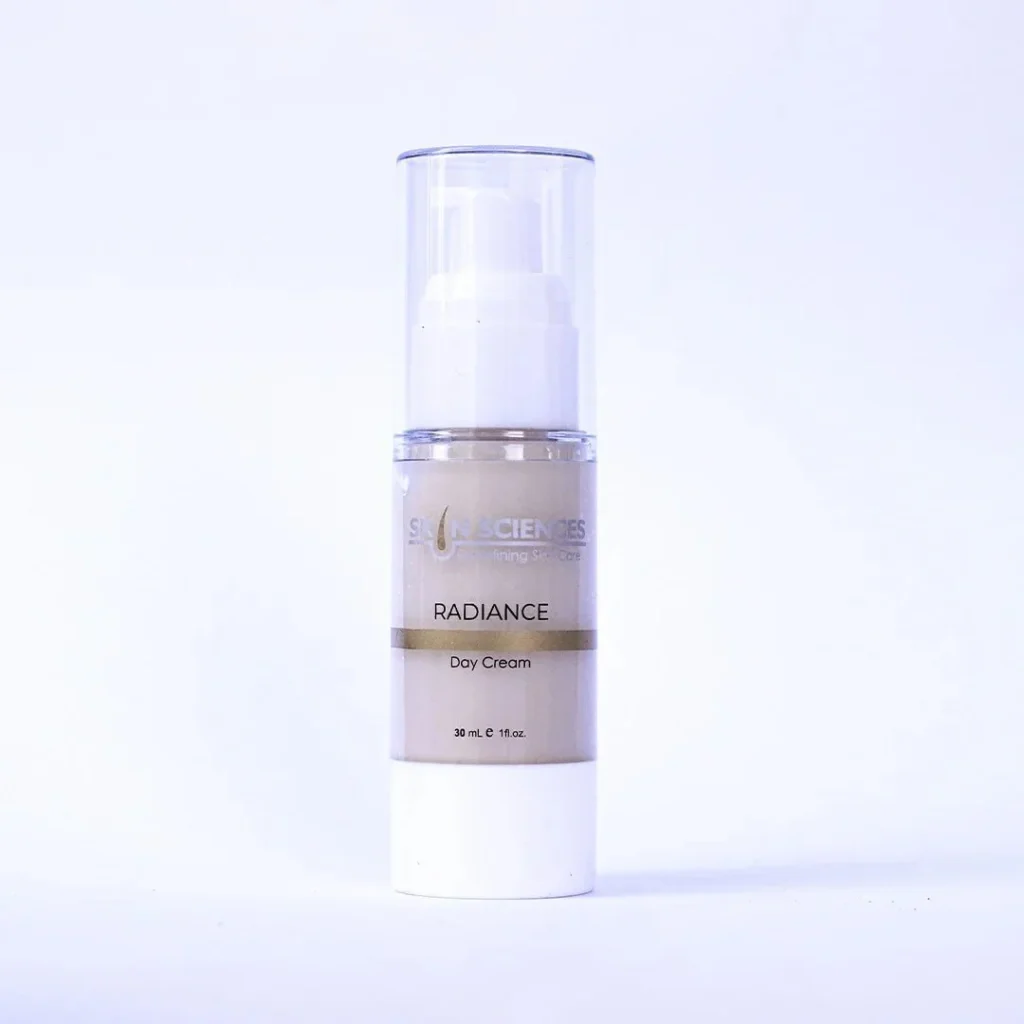
Is Skin Sciences Day Cream Suitable for a Daily Routine?
If you’re looking for a daytime moisturizer, Skin Sciences is one brand option to consider.
A Skin Sciences Day Cream can be incorporated into a morning skincare routine focused on maintaining hydration and keeping the skin feeling comfortable throughout the day.
However, choosing a Day Cream should always come down to your individual skin needs.
Consider whether your skin is oily, dry, combination, sensitive, or acne-prone.
Also consider the climate you live in.
A formula that feels comfortable during a dry winter may feel too heavy during a hot and humid summer.
Common Day Cream Mistakes to Avoid
Using too much product
Applying a thick layer does not necessarily provide better hydration.
Use the amount recommended by the manufacturer.
Skipping moisturizer because your skin is oily
Oily skin can still become dehydrated.
Look for a lightweight formula instead.
Using a heavy cream in hot weather
A rich cream may feel uncomfortable in hot or humid conditions.
Adjust your product according to the season and your skin’s needs.
Treating Day Cream as sunscreen
A moisturizer and sunscreen serve different purposes.
Don’t skip dedicated sun protection simply because you’re wearing moisturizer.
Changing products too frequently
If you constantly switch between products, it becomes difficult to understand what works for your skin.
Give a suitable routine enough time.
Using harsh cleansers
If your face feels extremely tight immediately after washing, your cleanser may be contributing to the problem.
Moisturizer is helpful, but reducing unnecessary barrier disruption is also important.
Frequently Asked Questions
Is it necessary to use Day Cream every day?
For many people, daily moisturizing is a useful part of skincare, particularly if the skin tends to feel dry, tight, or dehydrated. The exact product and frequency depend on your skin type and needs.
Can oily skin use Day Cream?
Yes. Oily skin can still benefit from hydration. Choose a lightweight moisturizer that feels comfortable and is suitable for your skin.
Can Day Cream replace sunscreen?
No. A standard Day Cream primarily moisturizes the skin. Sunscreen is specifically intended to protect against UV radiation. If a moisturizer contains SPF, check the label carefully rather than assuming it provides the same protection as your dedicated sunscreen routine.
Should I use Day Cream in summer?
Yes, but you may prefer a lighter formula during hot weather. Gel or lightweight lotion textures can feel more comfortable than rich creams.
Can Day Cream help dry skin?
Yes. A suitable moisturizer can help reduce dryness, improve comfort, and support the skin barrier. Very dry skin may benefit from a richer formulation.
Can Day Cream reduce wrinkles?
Moisturization can temporarily make some fine lines look less noticeable by improving hydration. However, a Day Cream cannot permanently remove wrinkles.
Can I apply Day Cream before makeup?
Yes. Moisturizing before makeup can help create a smoother surface. Allow the cream to settle before applying other products.
What is the best time to apply Day Cream?
Morning, after cleansing, is a practical time to apply it. Follow with sunscreen during the daytime.
Final Words
Your skin doesn’t stop needing moisture just because the day has started.
In fact, daytime is when your skin faces many environmental factors that can affect its comfort and appearance. Heat, air conditioning, dry air, cleansing, sweat, and environmental exposure can all influence how your skin feels.
A suitable Day Cream can help maintain hydration, soften the skin, support the skin barrier, and make your complexion look smoother and more comfortable.
But remember that moisturizer is only one part of good daytime skincare.
Your basic routine can remain simple:
Cleanser → Serum (if needed) → Day Cream → Sunscreen
If you are considering a Skin Sciences Day Cream, choose a formula according to your skin type, climate, and personal needs rather than simply choosing the richest or most expensive option.
And if there is one daytime skincare habit worth prioritizing, it is this:
Keep your skin moisturized, but never mistake moisture for sun protection.